
Summary: “Lessons from an Open World” is a blog post about the design principles behind the creation of the video game Zelda: Breath of the Wild, and how those principles can be applied to mission-driven work in other fields. The post goes on to explore the back-end design process of the game, including the establishment of boundaries, prototyping and testing, and incorporating feedback. These design principles could be useful for organizations focused on mission-driven work, as they allow for flexibility, collaboration, and continual refinement.
It’s been twenty years since I last played a video game. I’d been told that a lot has changed, but advances in gaming floored my expectations when I recently played Zelda: Breath of the Wild. I know, for true gamers, it’s old news and any regular Comic Con attendee would laugh at my tardiness: Breath of the Wild (BotW) is ancient for modern day gamers, especially with this week’s release of the follow up, Tears of the Kingdom.
The game stuck with me though – especially its hauntingly intricate landscapes and advanced techniques to weave narrative through a larger storyline that encompassed past, present, and future contexts.
What was it that allowed you to roam freely, climbing, running, gliding, and riding, while constantly zig-zagging across a consistent storyline towards a larger, ever imposing grand objective?
What was it that made the experience playing so deeply satisfying and addictive? How did Nintendo’s design team in Japan create such a masterpiece?
What lessons can mission driven organizations learn from Nintendo’s design process?
It’s impossible to describe the game in full here or to capture the brilliance in brief moments of gameplay at a Best Buy (believe me – I tried first). The artfulness unfolds in full only through experiencing the combination of four separate but overlapping worlds that center natural elements and the intricacies of how each world brings its own distinct, emotional response and collective sense of collaboration towards a single end goal that is grounded in historical context.
While there is of course room for improvement and an update to the narrative to ensure it is more inclusive would be useful, three things became clear to me as the days passed after completing the game:
- The game truly is a design masterpiece: art takes so many shapes and forms in our modern day, remote, and cyber infused context. The game is visual art, written art, immersive art, and design thinking at its finest.
- The intentionality behind the game and commitment to innovative design principles must have been essential to success. By playing the game, you can’t help but wonder how it came to fruition.
- There must be lessons to extrapolate from the development team’s approach for any organization or individual focused on mission driven work. Cross learning opportunities appear wherever there is successful innovation.
Breath of the Wild’s open world gaming with nonlinear gameplay equates to a choose your own adventure throughout the entirety of the game experience – there is no one true path and players can follow their instincts to constantly discover and unfold an infinite sequence on the ultimate path to completion. The game’s director, Hidemaro Fujibayashi, called the core design principle behind this multiplicative gameplay: allowing players to solve problems with basic physics and chemistry principles in multiple, nonlinear ways, and even return to problems and incorporate different solutions using new knowledge and experiences gained throughout the course of the game.
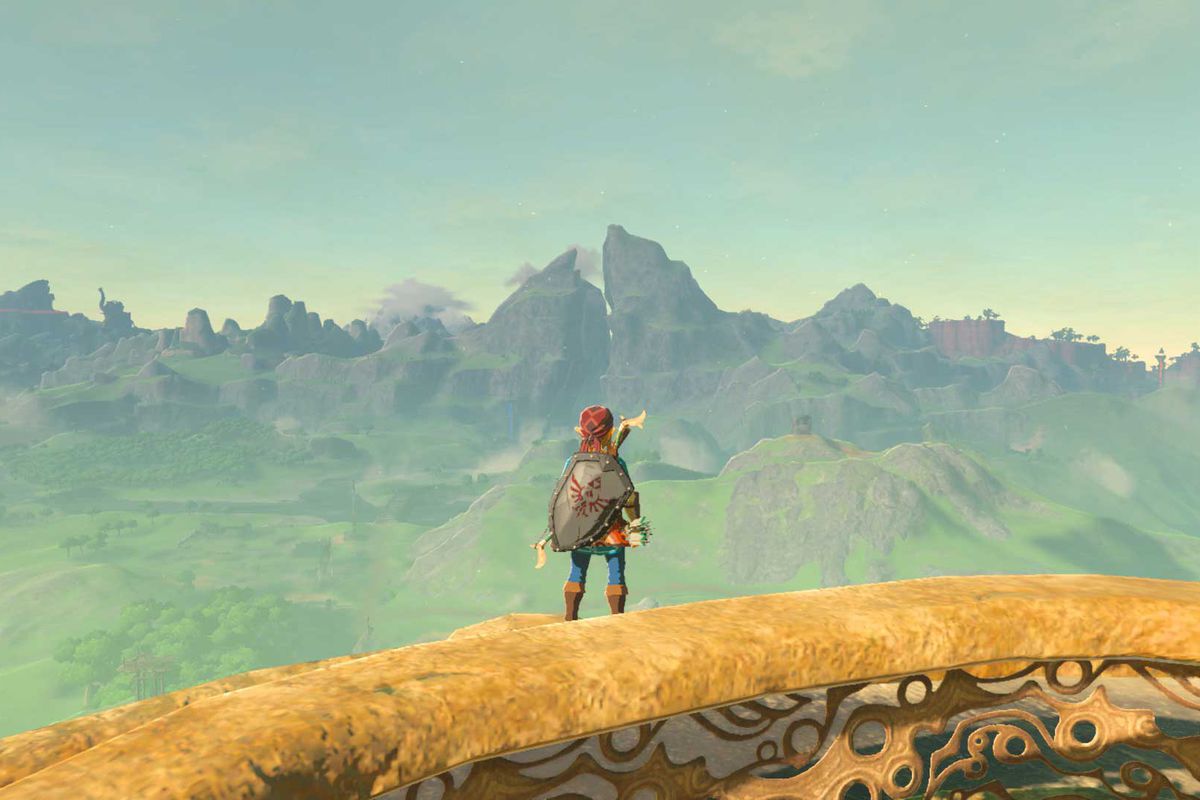

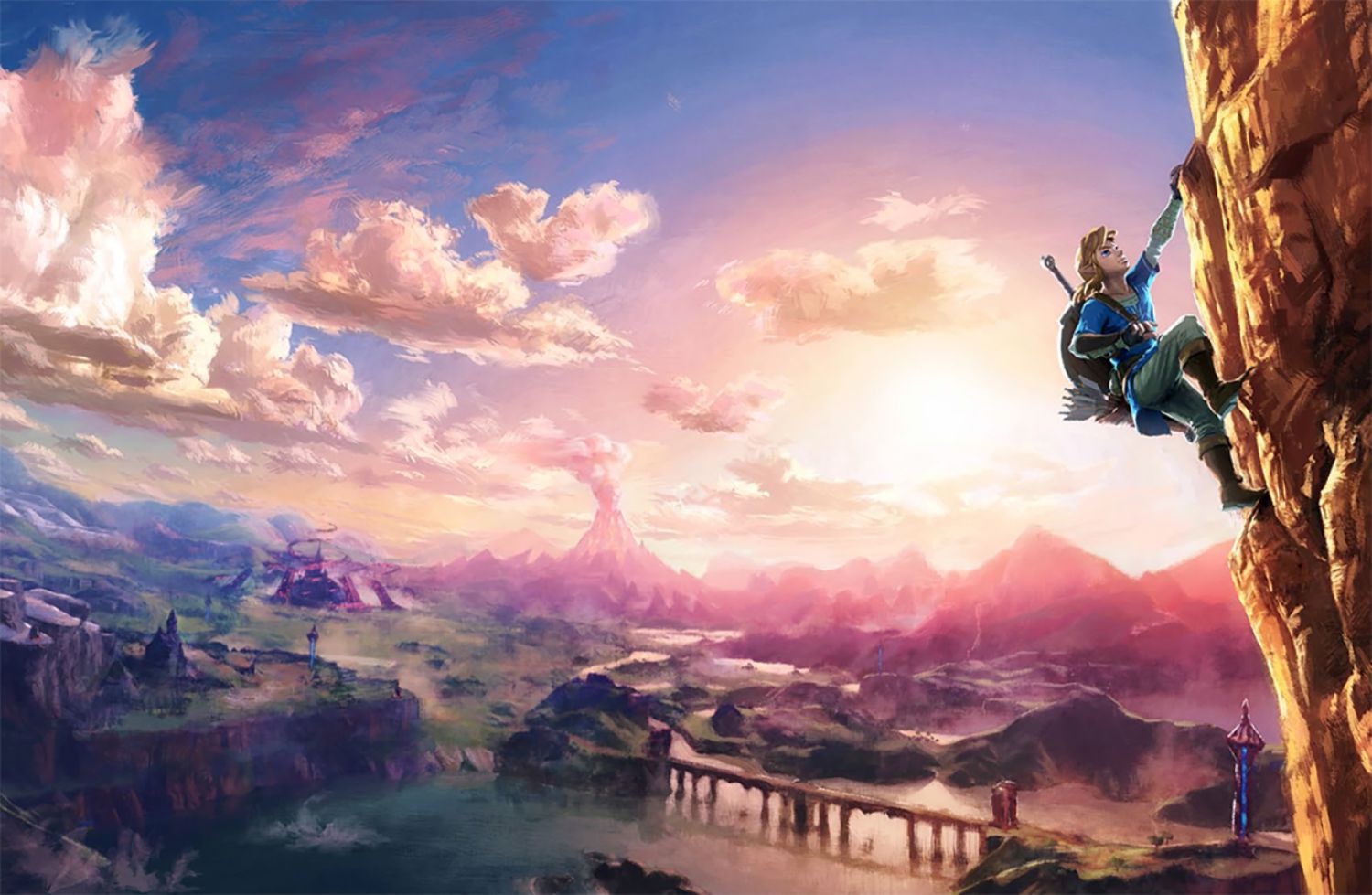
Breath of the Wild’s multiplicative, open world gameplay encourages players to combine actions and objects in ways that allow for a vast set of solutions, rather than a linear path to success. Without obvious solutions, players need to adapt and constantly incorporate critical thinking. This also means that collaboration becomes increasingly key: the online community that surrounds the game is constantly sharing techniques and approaches to problem solving for collective learning and innovation. Just search for tips for BotW online and you’ll see what I mean. This collective effort leads to a larger conversation around what success even means: for some, it means completing all possible goals of the game (i.e. “completionists”); for others, it means completing the ultimate end goal only, and for a rarer group, completion is meaningless and the experience of play is all that matters.
The above ethos already provides three components of a key framework for any individual or organization focused on mission driven work.
- No One True Path: many roads may need to be explored and strategies tested on the journey to an end goal. Foundational principles, strategies, and approaches need to be constantly revisited as new knowledge, skills, and experiences are gained.
- Collaboration is Key: ensure to discuss with others and engage with those who have also experienced similar challenges – interact externally to collaborate on solutions and share resources to tackle complex problems together with others.
- Define the Goal: throughout the journey, the end goal should remain clear or, ideally, be continually defined and refined. Goals and success metrics may not always be clear: they may also need to be collectively defined as learning and unlearning progress in tandem and in community with others.
With this ethos and framework in mind, I wanted to dig into the back end of the game design and development process – what other factors led to the actualization of arguably the greatest achievement in gaming history? What lessons could be extrapolated for organizations working across other sectors and different end goals?
After looking into the design principles for Nintendo’s development team, three design principles and innovations immediately stood out for potential cross learning:
- Establish Boundaries – the game was developed to scale by mapping dimensions for the open world environment to the actual urban dimensions of Kyoto (where Nintendo is headquartered), including mapping landmarks in the game to specific landmarks from Kyoto. Beyond the design complexity and genius here, defining this geography also provided an easy answer to a design question that is often challenging to answer: what are the boundaries? By defining the parameters as Kyoto’s geographical dimensions, the developers had a consistent answer to this question that enabled them to focus on improving the game design within a set boundary. What are the boundaries to enable essential and focused effort?
- Democratize Ideation – any employee working on the development team could share ideas for improvement anonymously in a Reddit-like format known as “Open Air Development” that leveled the playing field for more junior staff members to share ideas and see them implemented in real time. We all know new ideas are essential to innovation, but the democratization and anonymity here, especially in the context of Nintendo’s organizational culture, allowed for ideas to flow freely and be escalated based on the caliber of the idea, rather than other factors like seniority. Mission driven organizations are often challenged by this – as are all organizations. How can ideas flow more freely, from anywhere and anyone, to enable success?
- Integrate Experience – developers were required to play the game in its entirety on a consistent basis and could flag areas for improvement directly while playing the game. How can you know whether your solution is good if you don’t put yourself in the seat of the end user on a continual basis to know how to make it better? This may seem intuitive, but this feels like the most difficult component to implement in practice – how can we further understand the experience of others accessing products or services? This is an age-old question for product managers and social purpose organizations, and Nintendo’s team provides a useful reminder of what’s possible when this question is effectively answered in practice on a recurring and deliberate basis.
This game was no small project for Nintendo and part of the reason I became fascinated with its origins was the fact that Breath of the Wild took years to complete with a team that expanded to over 300 people to design and develop the game. In order to create it, Nintendo also took an intentional approach to building a team with a diverse set of skills and interests outside gaming – with the goal to ensure these skills and experiences were directly incorporated into the game itself for an immersive, dynamic experience.
Intentional design takes resources, time, capacity, and diversity of thought, skills, and experiences on the team. With the right mindset and access to resources, the above principles may help to enable increased effectiveness and strategic prioritization for those looking to enable their own vision with mission driven work. While I don’t have plans to play Tears of the Kingdom anytime soon, especially given that summer is around the corner, I do hope to revisit these lessons and continue to reflect on the design methodology that created enabling conditions for success at Nintendo.
Resources:
https://screenrant.com/legend-zelda-breath-wild-botw-development-nintendo-good/
Feature Photo by Victor Carvalho on Unsplash



 Mission Driven Strategy and Operations
Leave a comment