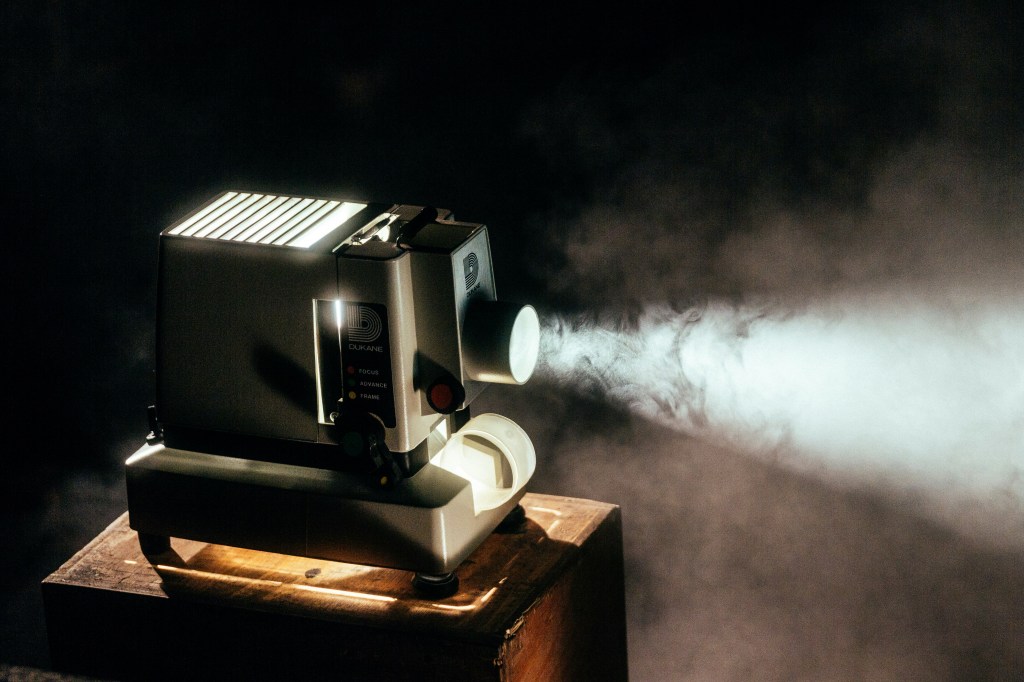
We all know images have the ability to motivate and inspire by striking emotional chords, evoking a deeper sense of purpose, or reincarnating shared experiences. When we think of how visuals play a role in storytelling, we often think of explicit imagery that directly reinforces or connects the narratives we’re trying to tell and weave together. If you’re reading a pamphlet about the benefits of healthcare, you expect to see doctors and hospitals.
But what happens when images reach beyond the conscious to the subconscious? Can images strategically tap the psyche and influence people for the long term? Can subliminal imaging inspire and catalyze change beyond conscious, explicit imaging and storytelling?
In his autobiographical book of lessons, 12 Notes On Life and Creativity, Quincy Jones references Casablanca as inspirational to his career. Among many tremendous anecdotes from his life, Quincy highlights how instrumental a specific course on cinematic storytelling was to his career — so instrumental, in fact, that he took it three times and watched Casablanca to understand the concepts further. With Quincy’s unrivaled track record breaking barriers and storytelling through music arranging and production, print media, tv production, and film production, it’s worth paying attention to any concepts he references as essential to his success. Given his hyper focus on pioneering new musical frontiers and transcending boundaries across genres, I found it particularly interesting that he found inspiration from a concept he discovered in cinema: image systems.
“Images have the power to bypass the part of the brain that does the judging and get straight to the part that feels. This is one of the things film does very well, and an image system is one of the way in which it does it — a highly effective way. We hide the images in plain sight, so that the brain can’t analyze them and catalogue them. In that way, they affect you without filters, raw.”
The New York Film Academy
According to Quincy’s seminar instructor and author on storytelling, Robert McKee, “an image system is a category of imagery embedded in a film that repeats from beginning to end with persistence and variation, but with equally great subtlety, as a subliminal communication to increase the depth and complexity of aesthetic emotion.”
They all break down how Casablanca effectively used an image system to create a feeling of imprisonment throughout the film — a tactic used to emulate the experience of being captured and subliminally reinforce the movie’s setting during World War II. After watching the film again recently, I realized the power of this approach: Casablanca strategically inserts spotlights searching, window shades that cast shadows like prison bars, and striped clothing — deliberately compounding a sense of entrapment throughout the course of the film.
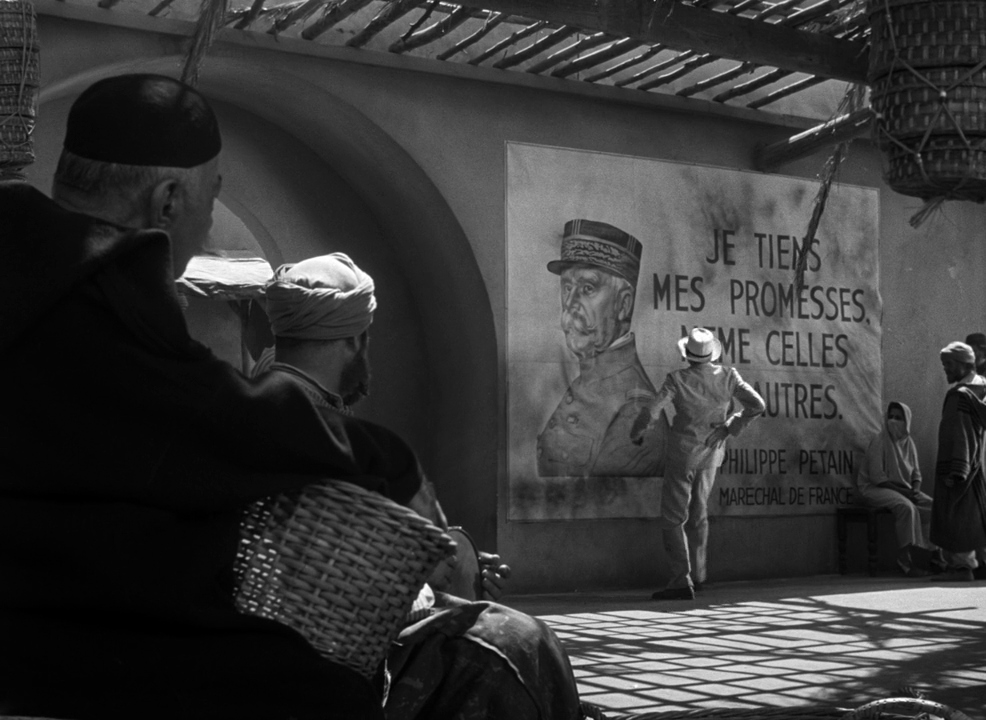
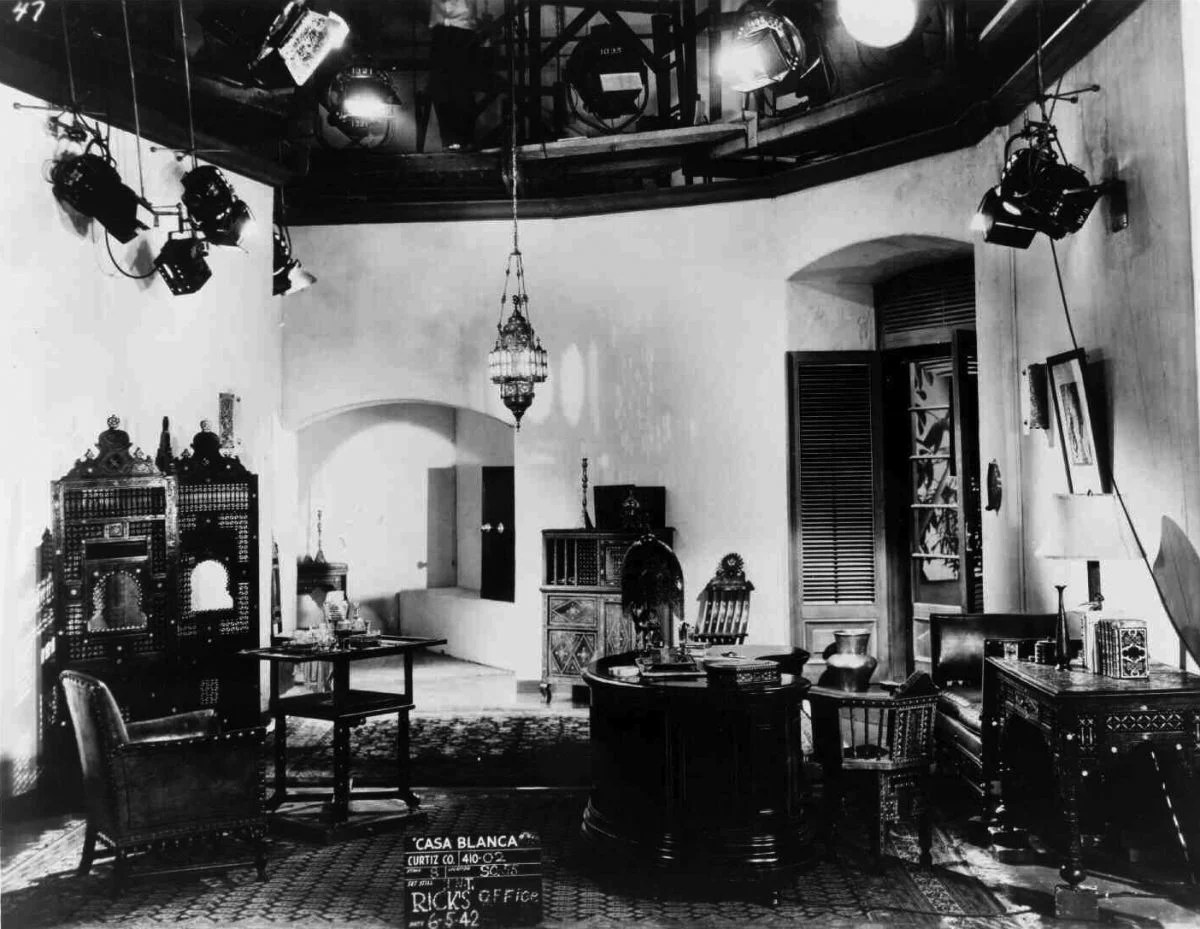


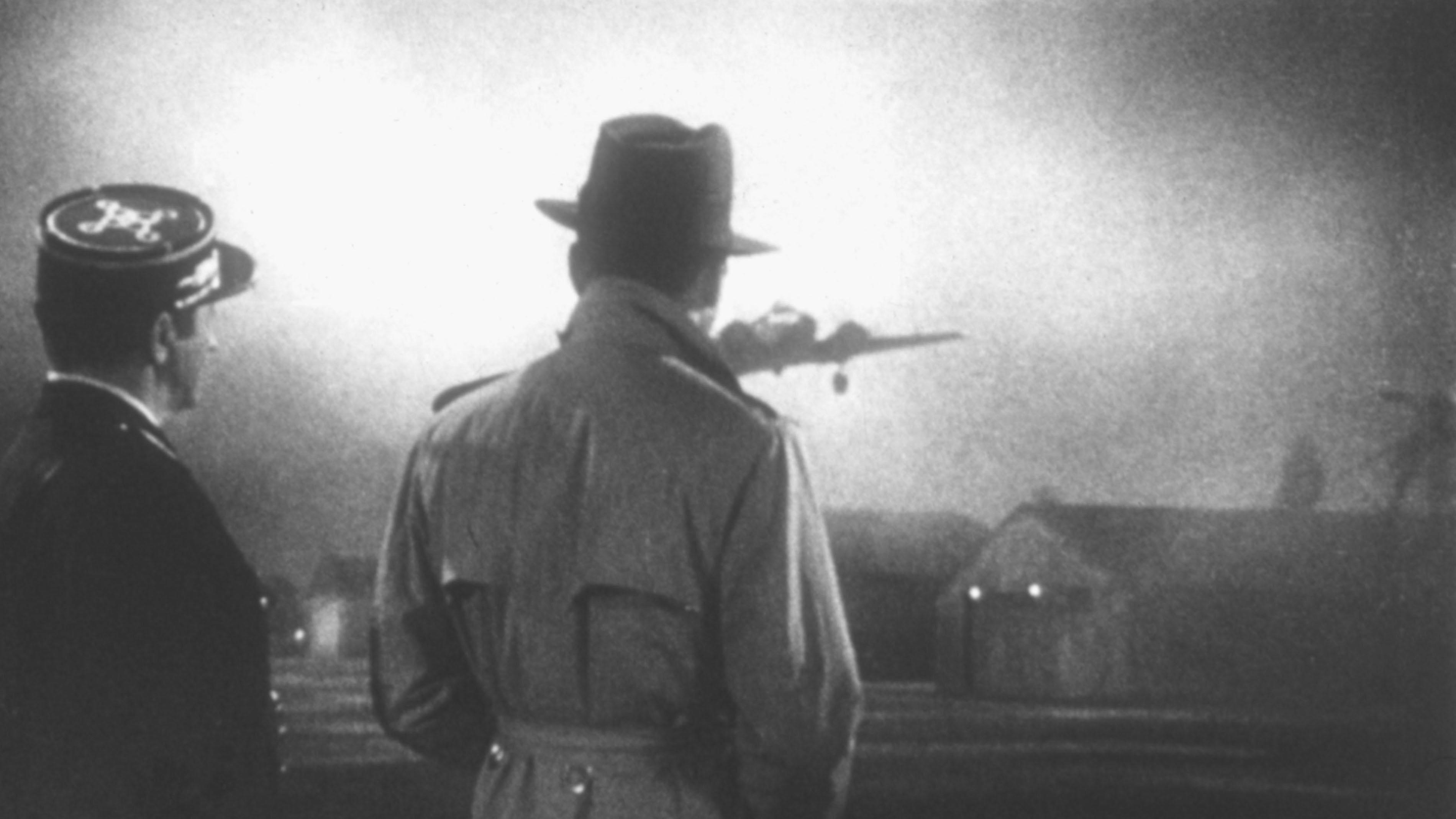
By the time Casablanca rolls the infamous ending scene at the airport blanketed in fog with several runway lights gleaming like watch towers, the feeling of detainment has fully materialized. The power of this culminates in the sense of release when key characters escape from the fog by air and on foot moments later. There is a palpable sense of freedom and satisfaction, but you can’t quite put your finger on why – consciously, the script and film are impressive feats, but there’s something deeper that results. The power of the subconscious image system has implanted itself in the psyche — and builds until the ultimate vision of the film and a sense of optimism, hope, and escape are realized.
In his book, Quincy continues to explain how he was able to adapt and expand on the concept of image systems throughout his career by incorporating conscious and subconscious techniques to reinforce the essence of his work (for example, he brought in Stomp to perform for the Sound Effects Editing category when he produced the Oscars). According to his Netflix documentary directed by his daughter Rashida Jones, much of Quincy’s genius stems from the recognition that storytelling and musical techniques can and should transcend preconceived boundaries. This is a powerful message from someone with more grammy nominations and awards than anyone else alive who spent their life successfully blurring musical barriers in collaboration with legends like Chaka Khan, Ray Charles, Frank Sinatra, and so many others.
On a professional and organizational level, it seems clear that image systems are a powerful tool to tap into an emotional response and emotional responses can be a galvanizing force for positive change when wielded intentionally. Beyond typical storytelling tools and explicit narratives, how can we incorporate imagery that firmly plants the future we want to build or propose a shared ethos using subtle imagery? How can we use intentional image systems to inspire and energize?
Perhaps any communications expert would say that’s the essence of a mood board, font analysis, or other techniques that already exist in branding or visual storytelling beyond film, and perhaps I just need to pay more attention to determine what image systems are already in my inbox and successfully embedded in my psyche. But perhaps this tool may be underutilized by mission driven organizations: in a world of hot takes and soundbites, the explicit frequently overrides the implicit, perhaps to the ultimate detriment of actualizing inner feelings, a sense of shared human experience, and effectively galvanizing change by tapping into deeper human emotions.
Reflection Questions:
- Can image systems be a personal or professional tool for you to effect change?
- Do image systems have the potential to undermine mission drive work by overemphasizing feelings for external stakeholders?
- Can image systems further your work or mission by drawing people in with an intentionally curated feeling?
References:
- Quincy Jones: 12 Notes on Life & Creativity
- Quincy: https://www.imdb.com/title/tt7440432/
- Robert Mckee on Storytelling
- Casablanca: https://www.imdb.com/title/tt0034583/
- New York Film Academy: https://www.nyfa.edu/student-resources/film-technique-how-a-master-uses-image-systems/
- Feature Photo by Jeremy Yap on Unsplash





Leave a Reply